
projects in need of support
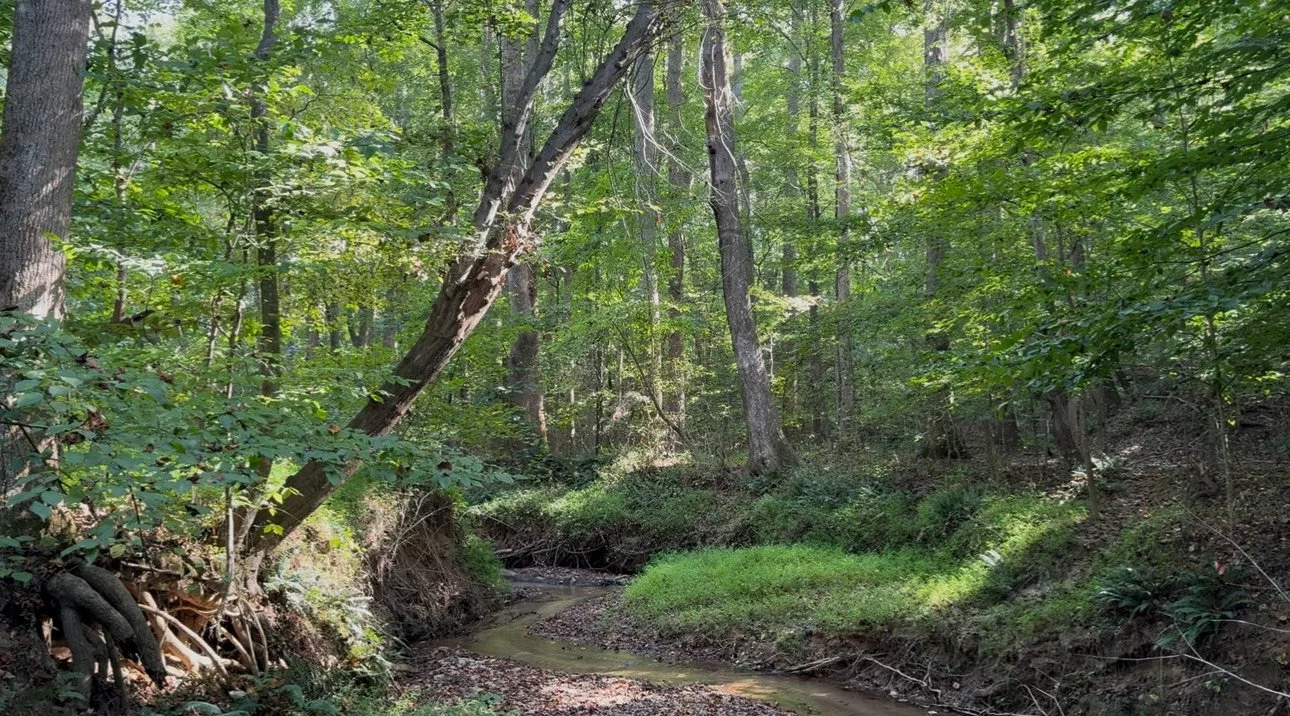
Forests to Biodiversity Regeneration
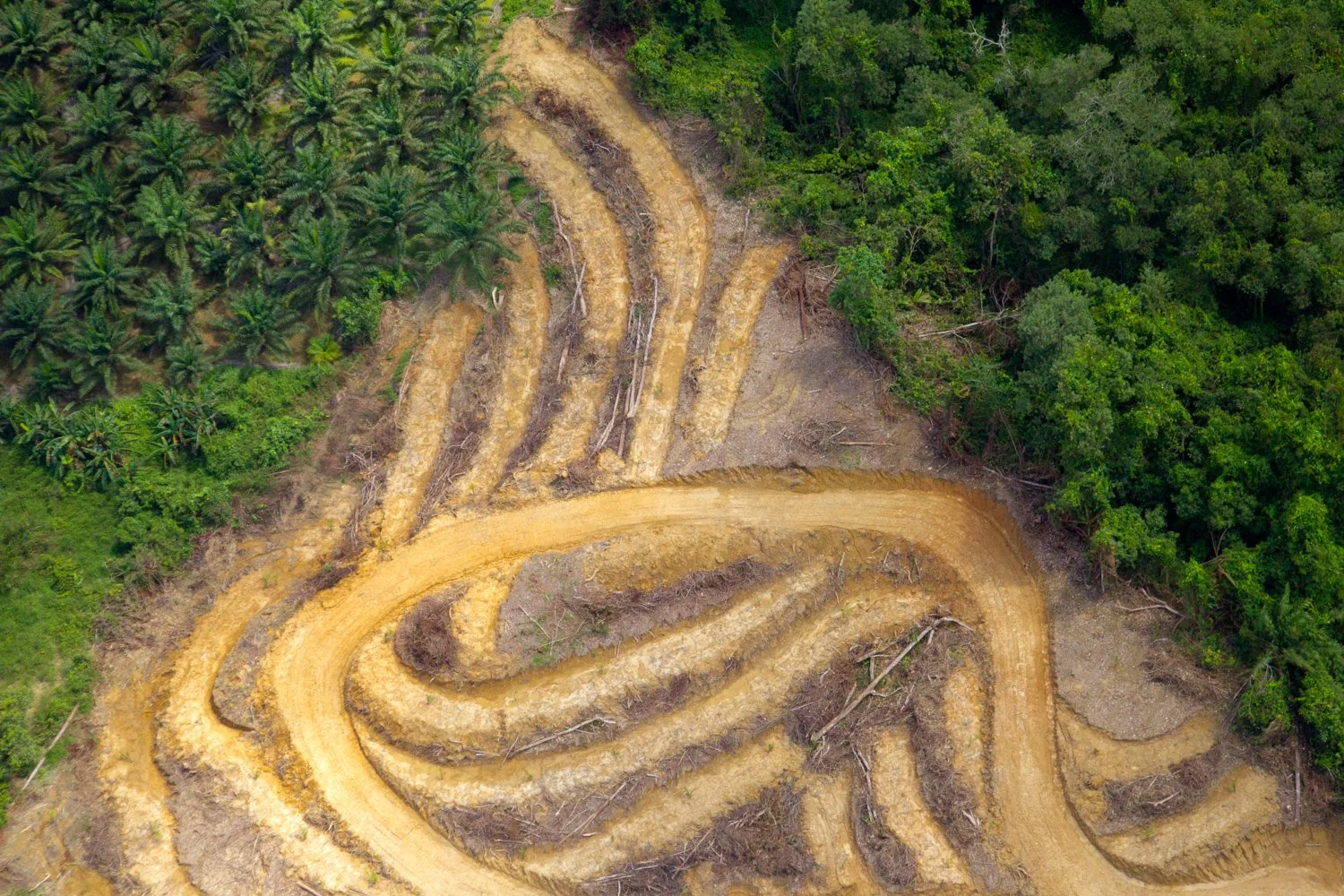
The United States has lost approximately 90% of its virgin forests since the 1600s, and roughly 7% of the trees today are over 100 years old. Trees are essential for carbon exchange while providing habitat for biodiversity, which is critical as we have entered the 6th mass extinction.
Sea Otters to Kelp Forest Regeneration
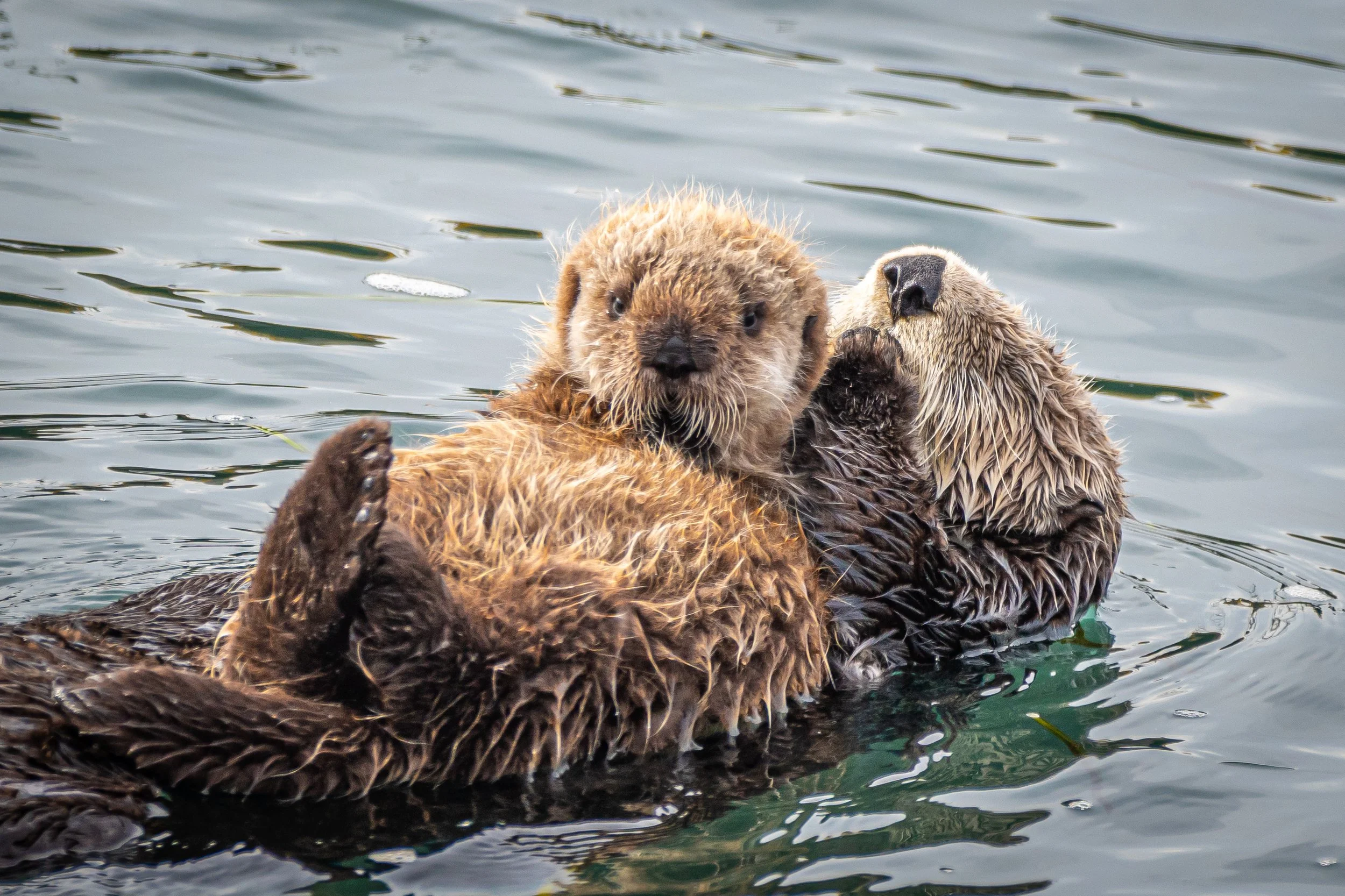
Sea otters are a keystone species whose presence promotes recovery and stability to kelp, seagrass, and salt marsh ecosystems. They stabilize fish nurseries, thereby benefiting wildlife and providing a source of protein for people. Nearly wiped out by humans, we are learning that they are worth more alive.
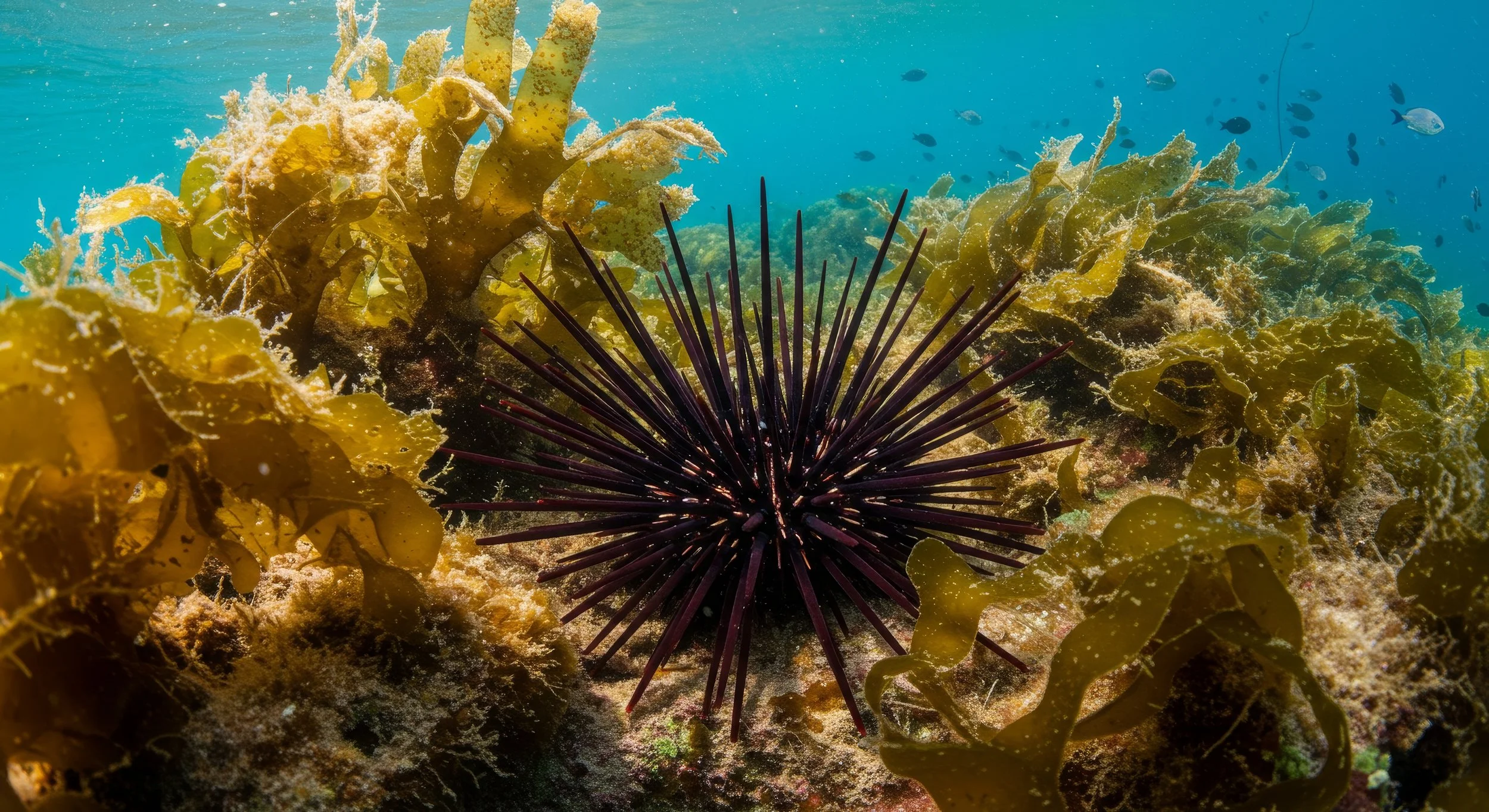
Without the predation of sea otters, sea urchins devastate kelp forests, hence the importance of reinstating the sea otters. Kelp forests are an essential fish habitat, and vital to carbon sequestration. Sea otters can indirectly enhance carbon storage and nutrient cycling, improve fish habitat, and increase biodiversity. Additionally, given the public’s love of sea otters, they boost local economies through nature-based tourism.
This project greatly benefits from the fact that sea otters are one of the most studied and data-rich species. Partnering with Dr. Brent Hughes, coastal ecology and conservation expert, along with expert modelers, BGF utilizes science to pioneer a new methodology to quantify and finance sea otter-driven ecosystem services, unlocking natural capital markets to fund recovery of otters and coastal ecology.
This framework will enable grants, sponsors, and market-based finance mechanisms to support marine protected areas (MPAs), restore coastal ecosystems, mitigate threats, and restore and protect sea otter populations.
Estimated Budget: $125,000
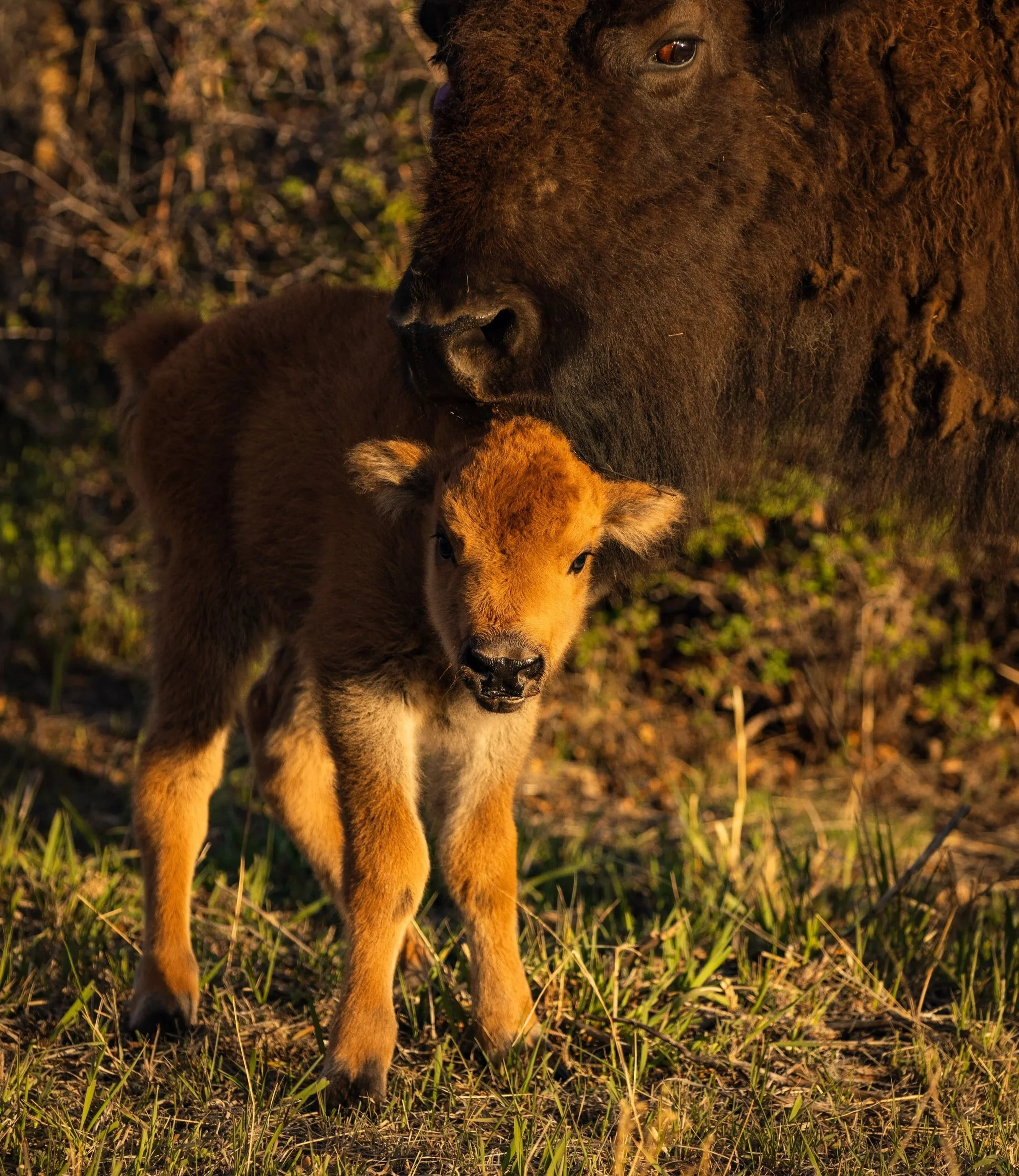
Bison to Grassland Regeneration
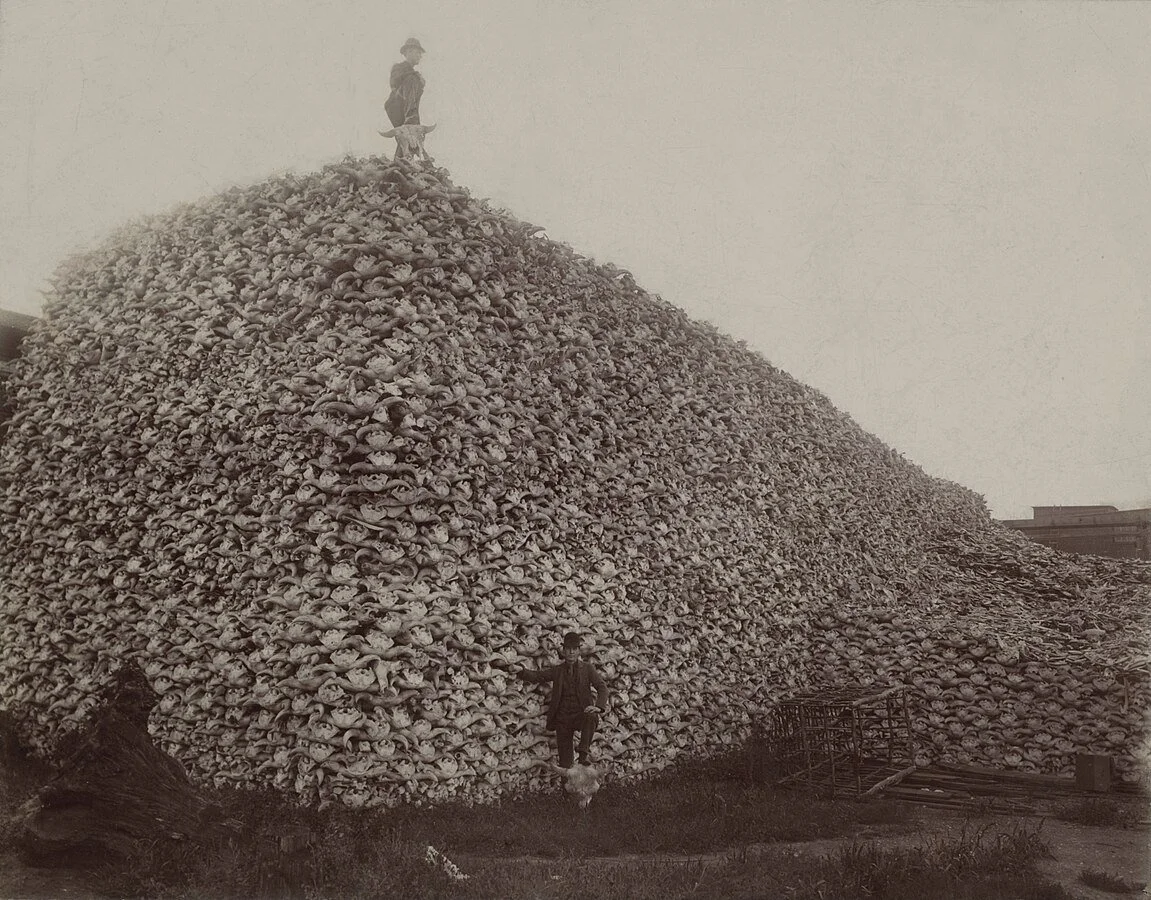
Bison are keystone species whose presence restores grasslands and soils, increases carbon storage, enhances nutrient cycling, and biodiversity. Killed by the millions in the 1800s, we learned the hard way that they are essential to land productivity and carbon sequestration.
This project seeks funding for the development of the first carbon and biodiversity credit framework anchored in bison and other ruminant ecosystem services. This framework will enable grants, investments, and market-based finance mechanisms to support the restoration of grasslands through holistic management of bison across the Great Plains of the US and Canada.
Grounded in the Savory Institute’s Ecological Outcome Verification (EOV) protocol, this megafauna model, together with BGF’s valuation methodology, integrates both leading and lagging indicators to guide management decisions that regenerate land. This methodology can also be applied globally to other ruminants, including cattle, sheep, and goats.
Properly managed ruminants play a vital role in healthy grasslands, which cover nearly 1/3 of the Earth’s surface. These vast and fragile landscapes play a crucial role in ensuring a healthy future for us all.
Beyond land regeneration, the presence of Bison enhances water infiltration and efficiency, greater resilience to drought, and expanded economic opportunities in Indigenous communities. Holistic management practices can increase soil water-holding capacity by 30% and raise land productivity by up to 40%.
Rigorous economic valuation assessments of bison-based ecosystem services (food security and biodiversity regeneration benefits) underpin the nature credit issuance.
Estimated Budget - $145,000
Other projects in development

Whales to Ocean Productivity Regeneration

Elephants to Forest Regeneration

Plastic Impairment on Biodiversity