

Projects We Fund
This project seeks funding to develop the first carbon and biodiversity framework anchored in bison and other ruminant ecosystem services. The framework will open pathways for grants, investments, and market-based finance mechanisms to restore grasslands through holistic bison management across the Great Plains of the U.S. and Canada.
Grounded in the Savory Institute’s Ecological Outcome Verification (EOV) protocol and advanced by Blue Green Future’s valuation methodology, this megafauna model integrates both leading and lagging indicators to guide land-regeneration decisions. The same approach can be applied globally to other ruminants, including cattle, sheep, and goats.
Properly managed ruminants are vital to healthy grasslands, which cover nearly one-third of Earth’s surface and underpin planetary health. Their grazing patterns enhance soil structure, biodiversity, and carbon storage while reducing erosion.
Beyond land regeneration, the return of bison increases water infiltration, drought resilience, and economic opportunities in Indigenous communities. Holistic management practices can raise soil water-holding capacity by up to 30 percent and land productivity by up to 40 percent.
Rigorous economic valuation of bison-based ecosystem services – spanning food security, biodiversity, and carbon sequestration – will underpin the issuance of credible nature credits and strengthen the foundation for regenerative finance.
RETURNING BISON TO GRASSLANDS
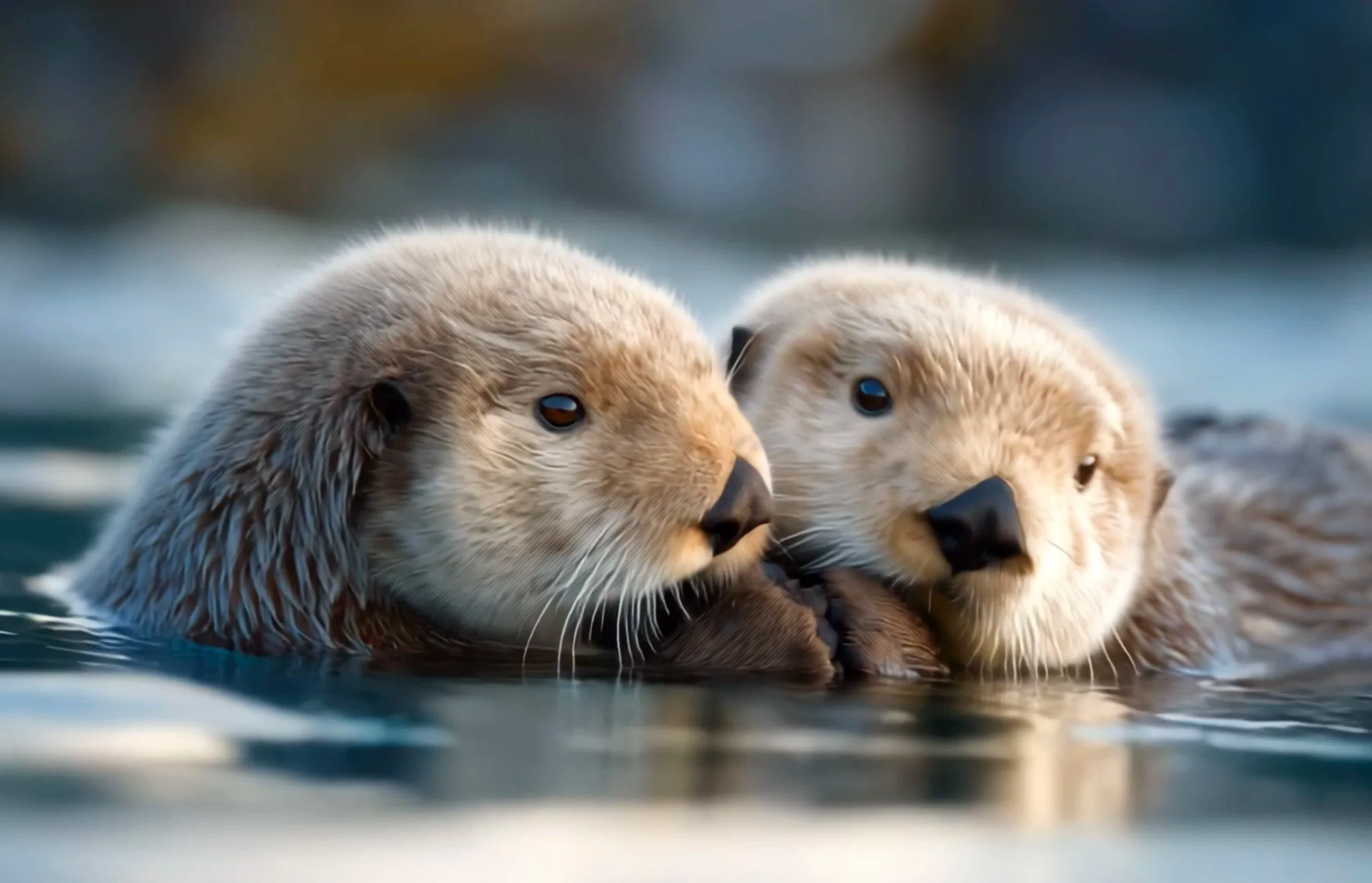
sea otters to kelp regeneration
Sea otters are a keystone species whose presence drives the recovery and stability of kelp forests, seagrass meadows, fish stocks, and salt marsh ecosystems.
By improving these vegetated habitats, sea otters indirectly enhance carbon storage, nutrient cycling, and biodiversity while supporting local economies through nature-based tourism.
This project benefits from decades of scientific research – sea otters are among the most studied and data-rich marine mammals. In partnership with Dr. Brent Hughes, a leading coastal ecology and conservation expert, and Blue Green Future (BGF), this initiative is pioneering a new methodology to quantify and finance sea otter–driven ecosystem services, unlocking natural capital markets to fund both species recovery and coastal resilience.
The resulting framework will enable grants, sponsorships, and market-based finance mechanisms to strengthen marine protected areas (MPAs), restore coastal ecosystems, mitigate threats, and secure the long-term survival of sea otter populations.

The United States has lost nearly 90% of its original forests since the 1600s, leaving only about seven percent of trees over a century old. Forests are vital carbon sinks and biodiversity havens, anchoring ecosystems that sustain life—and as we enter the sixth mass extinction, their protection is more urgent than ever.
North Carolina, stretching from the Atlantic coast to the Appalachian Mountains, is a biodiversity crossroads where northern and southern species meet, home to rare life like the red wolf and Venus flytrap. Yet this ecological richness is under siege from hurricanes, rapid urbanization, and industrial logging for wood pellets and paper that clear-cut hundreds of acres daily. Furthermore, Hurricane Helen alone devastated more than 800,000 acres of forests. Every lost acre weakens one of the East Coast’s most powerful carbon sinks, erodes flood resilience, and silts waterways that sustain a $25 million oyster industry, a $300 million seafood industry, and a $1.38 billion trout fishing economy.
+Nature funds scientists, stewards, and economists fostering replicable valuation methodologies that link reforestation, habitat recovery, and protection to verified nature finance markets, creating economic incentives to keep forests standing. Through youth-led initiatives like Trees4Trash® and partnerships with landowners and local communities, +Nature channels financial flows that prove restoration can rival extraction, scaling a regenerative model for forests across regions facing similar threats.
By supporting this project, funders can help create sustainable revenue for landowners who choose to keep their trees in the ground.
FOREST TO BIODIVERSITY REGENERATION
projects in development

Whales
Valuing great whales as keystone species, important to biodiversity, by reducing ship strikes and entanglement threats, linking mitigation to ecosystem services and durable economic frameworks that reward protection of healthy ocean systems.
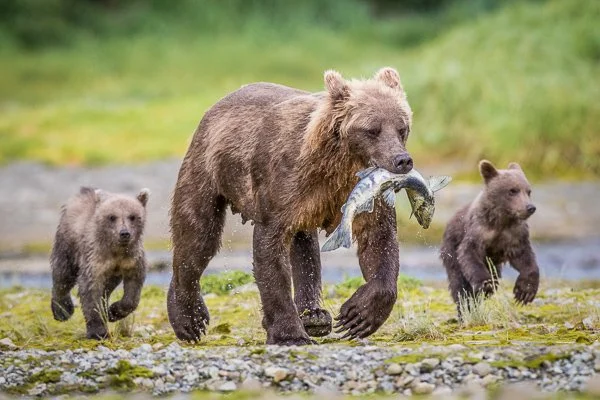
Bears
Examining microplastic impairment in brown bears as an indicator of ecosystem health, connecting upstream plastic pollution to terrestrial and marine food webs and informing targeted mitigation and restoration strategies.
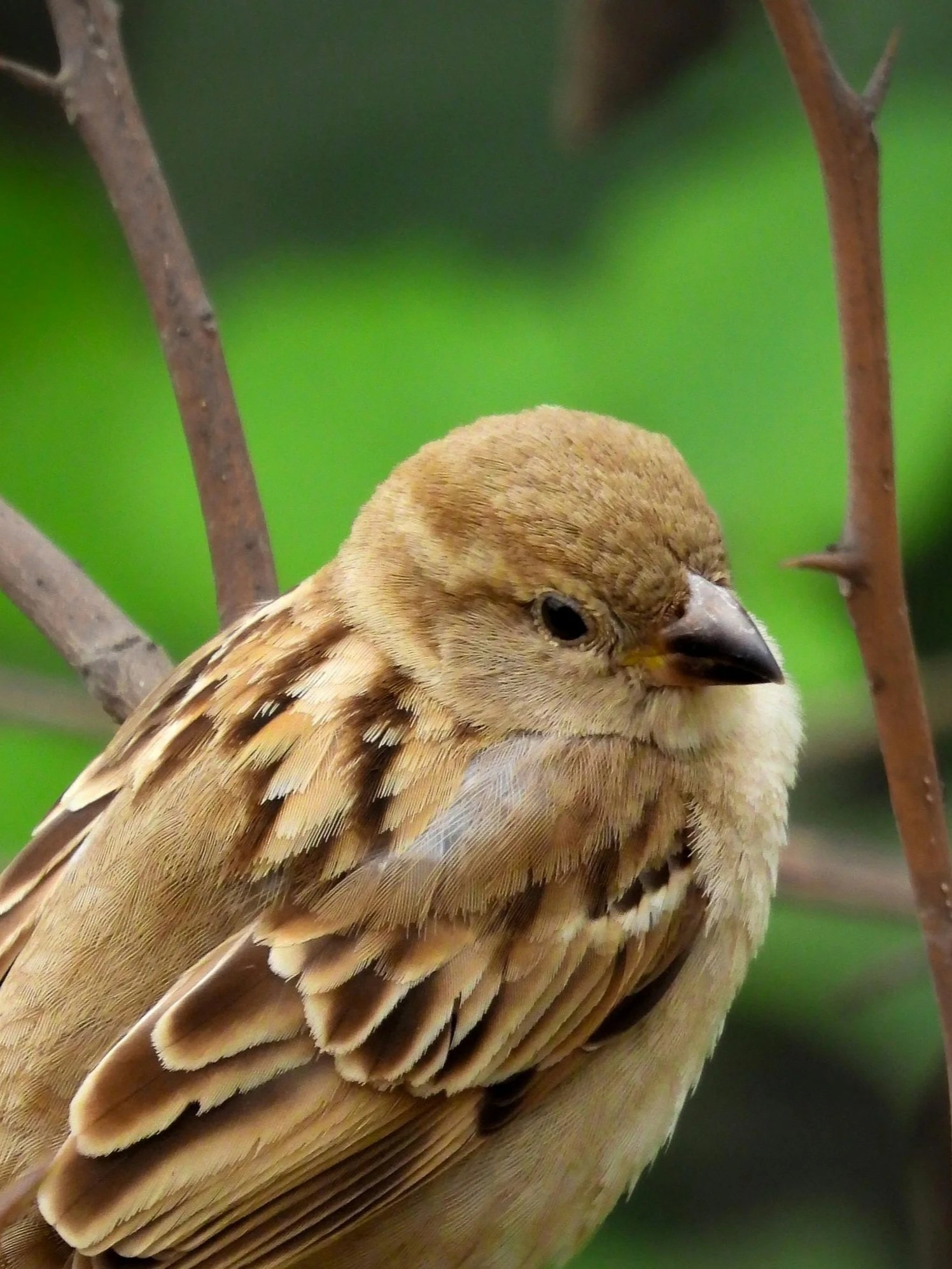
Birds
Applying nature-based valuation to migratory birds by linking cumulative human pressures—plastic pollution, habitat degradation, and food-web disruption—along flyways to lost ecosystem services, then restoring those services through verified mitigation.