
our MODEL
Without early feasibility studies and methodology development, nature-based solutions can’t scale into credible nature markets. With proper funding for this groundwork, they become measurable, investable, and ready for long-term financing.
+Nature raises early-stage capital to make that foundation possible, funding the critical first steps that turn ecological potential into viable natural capital assets. Once in the market, these assets can generate returns for investors, income for local and Indigenous stewards, and reinvestment in ecosystem regeneration.
our Living Values Statement
Advancing Regenerative, Community-Led and Ecologically Centered Climate and Nature Solutions
With help and participation from many, we exist to restore ecosystems, strengthen communities, and help build durable systems that align ecological health with human well-being. We understand the climate and biodiversity crises not only as environmental challenges, but as the result of long-standing imbalances in how nature is valued, stewarded, and sustained. Our work seeks to realign and correct those failures by linking human activity with living systems in ways that honor ecological limits, support thriving communities, and safeguard the conditions for life over time.
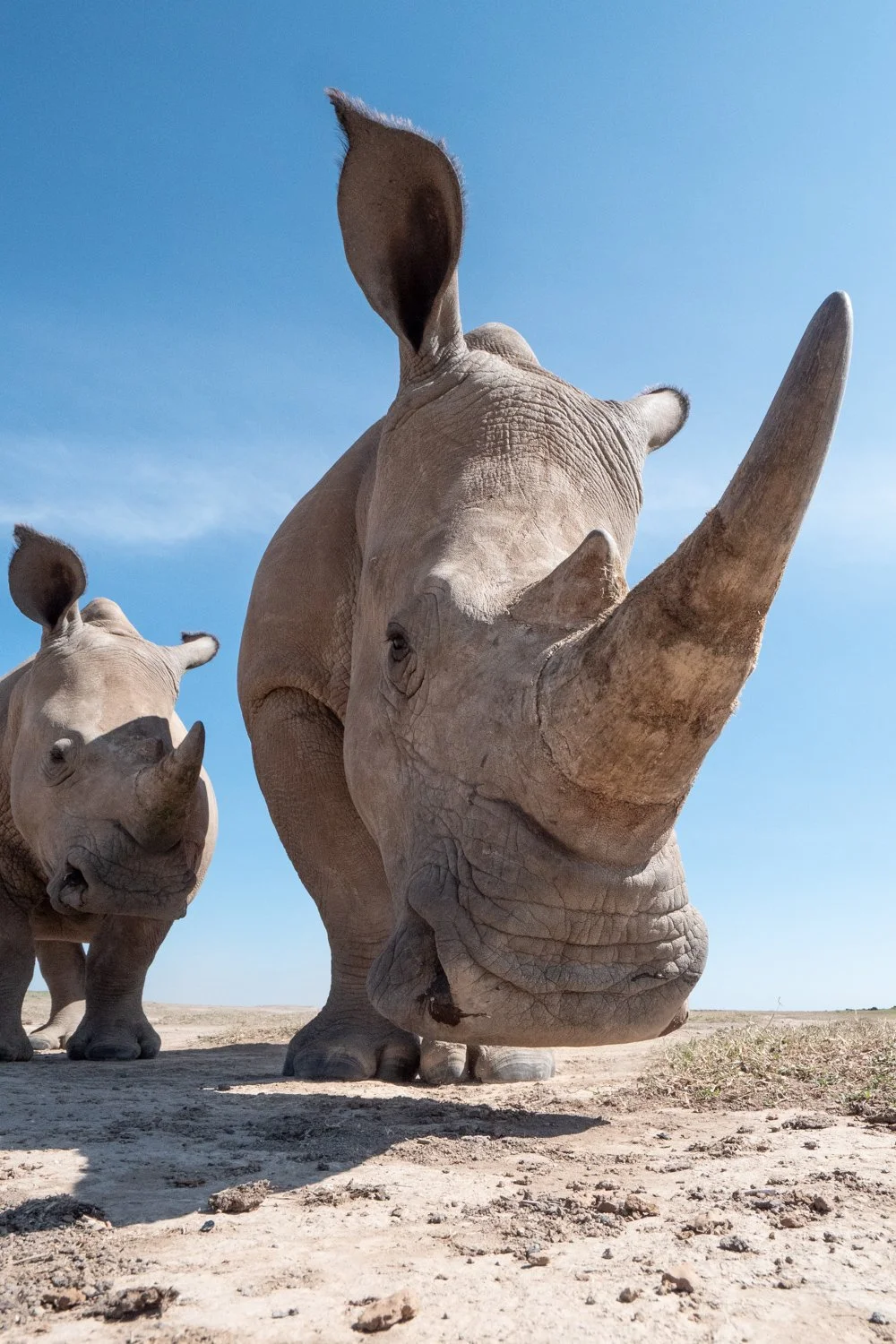
Chris Bray Photography-
We recognize nature as living infrastructure as essential and productive systems that sustain life, climate stability, economies, and cultures. Forests, oceans, grasslands, and keystone species are not externalities to be managed, but foundational assets that can be protected, restored, and maintained in a healthy state for long-term resilience.
-
We affirm that the people closest to ecosystems are their most effective stewards. Communities, Indigenous nations, and local leaders must hold meaningful decision-making authority and receive lasting benefits from restoration and conservation efforts. Stewardship without shared governance is incomplete.
-
We ground our work in credible, peer-reviewed science and transparent measurement. At the same time, we recognize that science must be accessible, relatable, meaningful, in informing education, storytelling, policy, and public understanding to inspire collective action.
-
We reject economic systems that exist only to extract value from nature and communities without restoring either. We advance regenerative finance models that channel long-term capital into ecosystem restoration while reinforcing local and community prosperity, cultural resilience, and ecological integrity.
-
We value ecosystems holistically. Carbon storage matters, but so do biodiversity, resilience, species interactions, water, cultural meaning, and place. Managing nature according to single and narrow metrics undermines long-term solutions; our approach reflects the full complexity of living systems.
-
By embedding young and indigenous people in governance, science, and decision-making, we uphold our responsibility to future generations and ensure continuity in stewardship and innovation.
-
We move beyond harm reduction toward regeneration. While initial environmental action may simply remove pollution or prevent damage, our long-term objective is to support regenerative outcomes through a combination of protection, restoration, and carefully-scoped interventions grounded in scientific evidence, carefully crafted economic incentives, cultural knowledge, and ecological humility.
-
We operate with clear ethical guardrails by prioritizing transparency in data, governance, and finance; avoiding conflicts of interest; and ensuring that community consent, benefit-sharing, and accountability are built into every initiative. Trust and working with trusted entities is essential to durable climate solutions.
-
With help and participation from many, we design systems meant to endure. Short-term interventions without long-term governance and financing fail communities and ecosystems alike. Our work prioritizes durability, adaptability, and resilience across decades.
Our Core Values
We commit to advancing climate and nature solutions that are community-led, science-grounded, ethically governed, and designed for long-term regeneration. By aligning ecological health with human well-being, we seek to build systems where people and nature flourish together, now and for generations to come.
Read the print-friendly version here.
Nine Steps to Market
Working closely with Blue Green Future, we help nature stewards complete 9 critical steps to bring their natural capital assets to market.
1. Secure legal ownership of natural assets
2. Assess ecosystem health and potential
3. Design evidence-based restoration
4. Value Nature’s services via advanced models
5. Monitor with technology (satellites, drones, LiDAR, eDNA)
6. Verify with trusted third parties
7. Track assets on secure ledgers
8. Sell forward contracts
9. Deliver verified credits to market
None of this can enter the state of play without seed funding.
WE FUND THE FIRST STEPS IN BUILDING NATURE MARKETS.

Who is Investing?
Nature-based markets aren’t hypothetical; there is already demand. Three major types of financial systems drive conservation at scale:
-
Companies and industries seeking to offset their carbon footprint participate in voluntary markets. These include corporate ESG commitments and voluntary carbon market (VCM) initiatives, where businesses invest in projects such as reforestation, whale protection, and kelp restoration to meet sustainability goals and customer expectations.
Example (in development): Whale Carbon Projects
-
Compliance markets are mandatory systems that require companies to reduce or compensate for their emissions. These markets operate under government regulations such as mandatory ESG disclosures, cap-and-trade systems, or sector-specific climate policies. Natural assets become essential tools for firms to meet legally enforced emission targets.
Example: European Union Emissions Trading System (ETS)
-
Governments are increasingly valuing and trading natural capital as part of their international climate and biodiversity commitments. Through Nationally Determined Contributions (NDCs) under the Paris Agreement, countries invest in and exchange verified credits from projects like forest protection or marine restoration, linking national economies directly to the health of their natural resources.
Examples: Gabon Sovereign Carbon Initiative
+Nature LLC
3975 Market St. Unit 4B
Wilmington NC 28403
910-616-6766
info@plusnature.org

Powered by Plastic Ocean Project
501(c)(3) Public Charity · EIN 46-1251038